
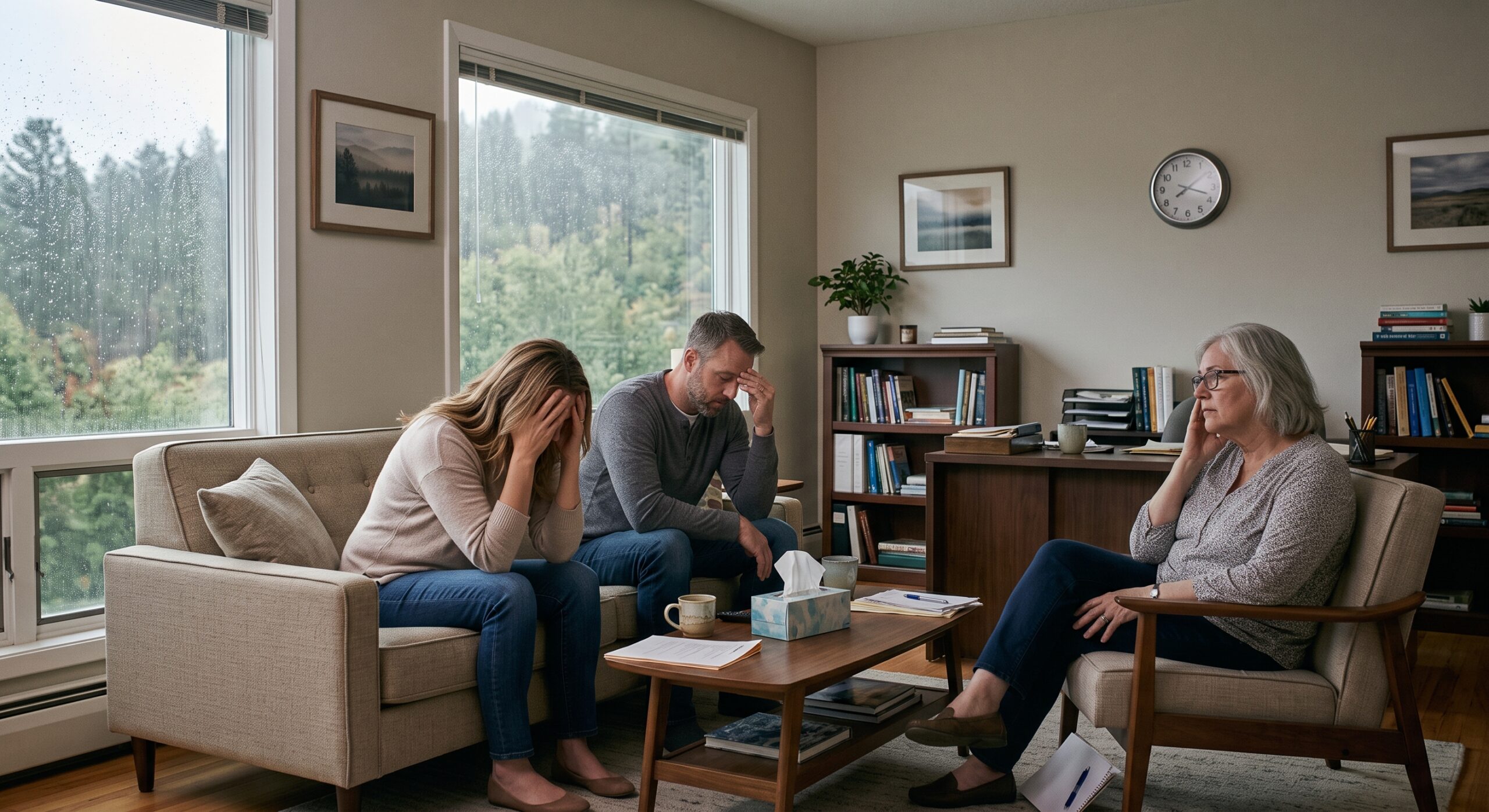
One of the most discouraging experiences a person can have is trying therapy, giving it real effort, and still not seeing change. By the time someone reaches out to me after previous treatment hasn't worked, they've often lost faith not just in the process, but in the possibility of things getting better at all.
Why Treatment Sometimes Doesn't Work
There are many reasons therapy can fail to produce lasting change, including:
- A mismatch between the therapist's approach and what the person actually needed
- Treatment that addressed symptoms without addressing root causes
- Not enough time or consistency to create real change
- A lack of trust or connection with the previous therapist
- Underlying issues — trauma, relationship dynamics, unresolved grief — that were never fully identified
Previous treatment failure is not a reflection of a person's ability to get better. Far more often, it reflects a treatment approach that wasn't the right fit.
How I Approach This Differently
When someone comes to me after previous treatment hasn't worked, I start by understanding what was tried before and what didn't work about it — not to critique prior providers, but to make sure we don't repeat the same gaps. This often means looking deeper for root causes that may not have been addressed the first time, and building a plan that fits the specific person in front of me, not a generic protocol.
I also have a unique approach to therapy. With my extensive training and clinical experience, I have developed a balance between empathetic care and direct challenge, thus producing opportunities of change that other providers might not offer.
If therapy hasn't worked for you before, I want you to know that doesn't mean therapy can't work — it may simply mean the right approach hasn't been found yet.
If you're willing to try again, I would be glad to help you find it.