
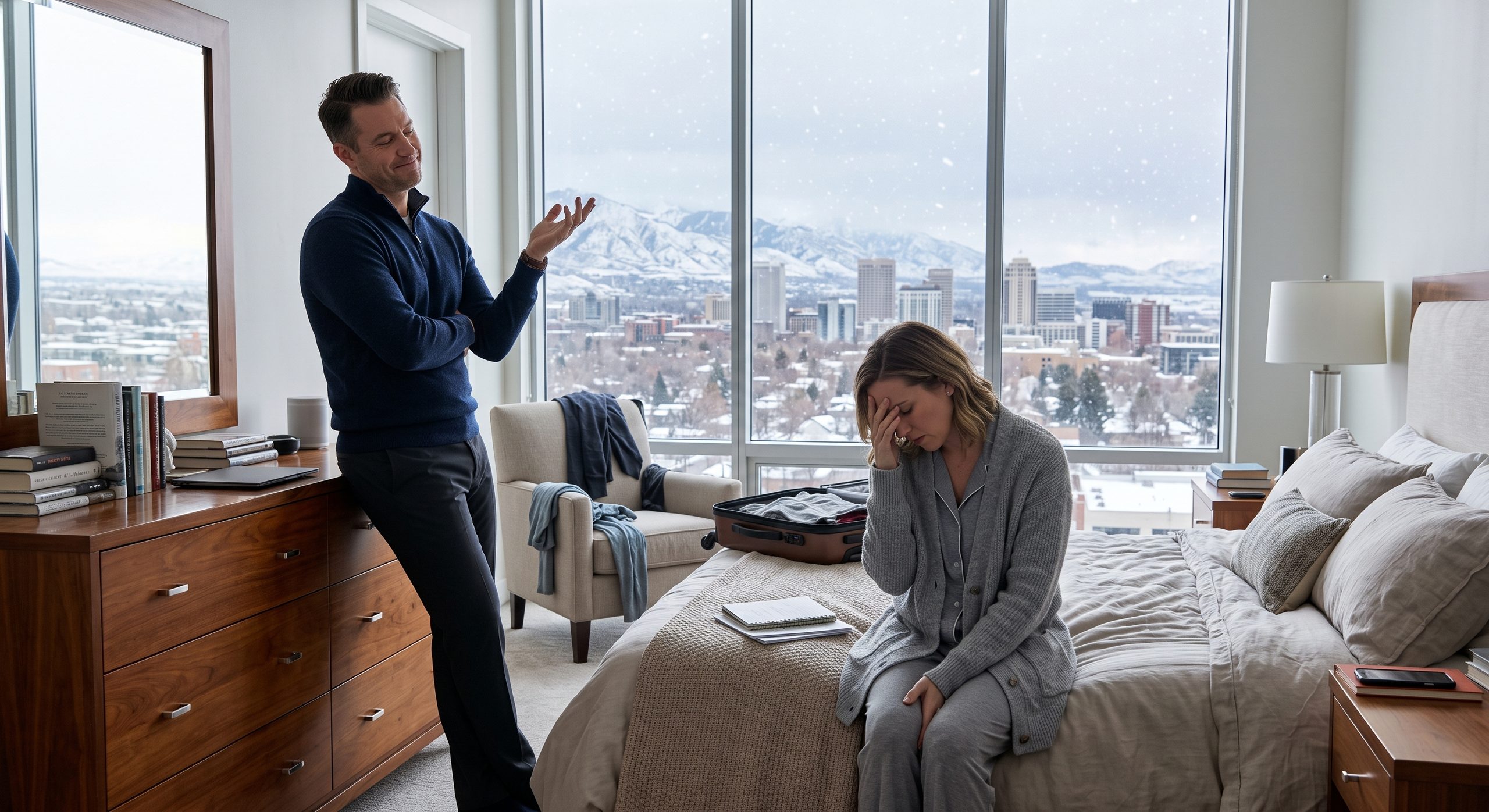
Personality disorders involve deeply ingrained patterns of thinking, feeling, and relating to others that consistently create difficulty — in relationships, at work, and in a person's sense of self. Because these patterns feel like "just who I am" rather than a treatable condition, personality disorders often go unaddressed far longer than other mental health concerns, and are difficult for a client to hear from others, including their therapist, that this kind of diagnosis is occurring for them.
What Personality Disorders Can Look Like
- Persistent patterns of difficulty in relationships across many contexts
- Rigid ways of thinking or behaving that don't adapt well to different situations
- Distorted self-image or difficulty maintaining a stable sense of identity
- Emotional responses that seem disproportionate to the situation
- Patterns that cause real distress to the person or to people around them
People rarely come to therapy seeking treatment for a personality disorder. Usually, they are brought to therapy by a loved one, such as a parent, adult child, or partner. Those who have a personality disorder cannot be objective about their inner most sense of self, which means they cannot see the symptomology from within their own perspective.
Why These Patterns Are Hard to See From the Inside
Because personality disorders shape how a person perceives themselves and their relationships, it can be nearly impossible to recognize the pattern from the inside. Often, it's a loved one, or a repeated relationship or work conflict, that prompts someone to seek an outside perspective. And when this happens, even in the most caring and loving manner, the person will reject the notion, and refuse therapy.
How I Approach Treatment
My work with personality disorders is grounded in evidence-based approaches, including Dialectical Behavior Therapy for certain patterns, alongside deeper exploration of the origins of these patterns — often rooted in early relationships and experiences. Change is entirely possible, and many of those whom I have been privileged to work with have disqualified themselves from a personality disorder.
If you recognize these patterns in yourself or someone you love, I would be glad to help you find a path toward more stability and healthier relationships.