
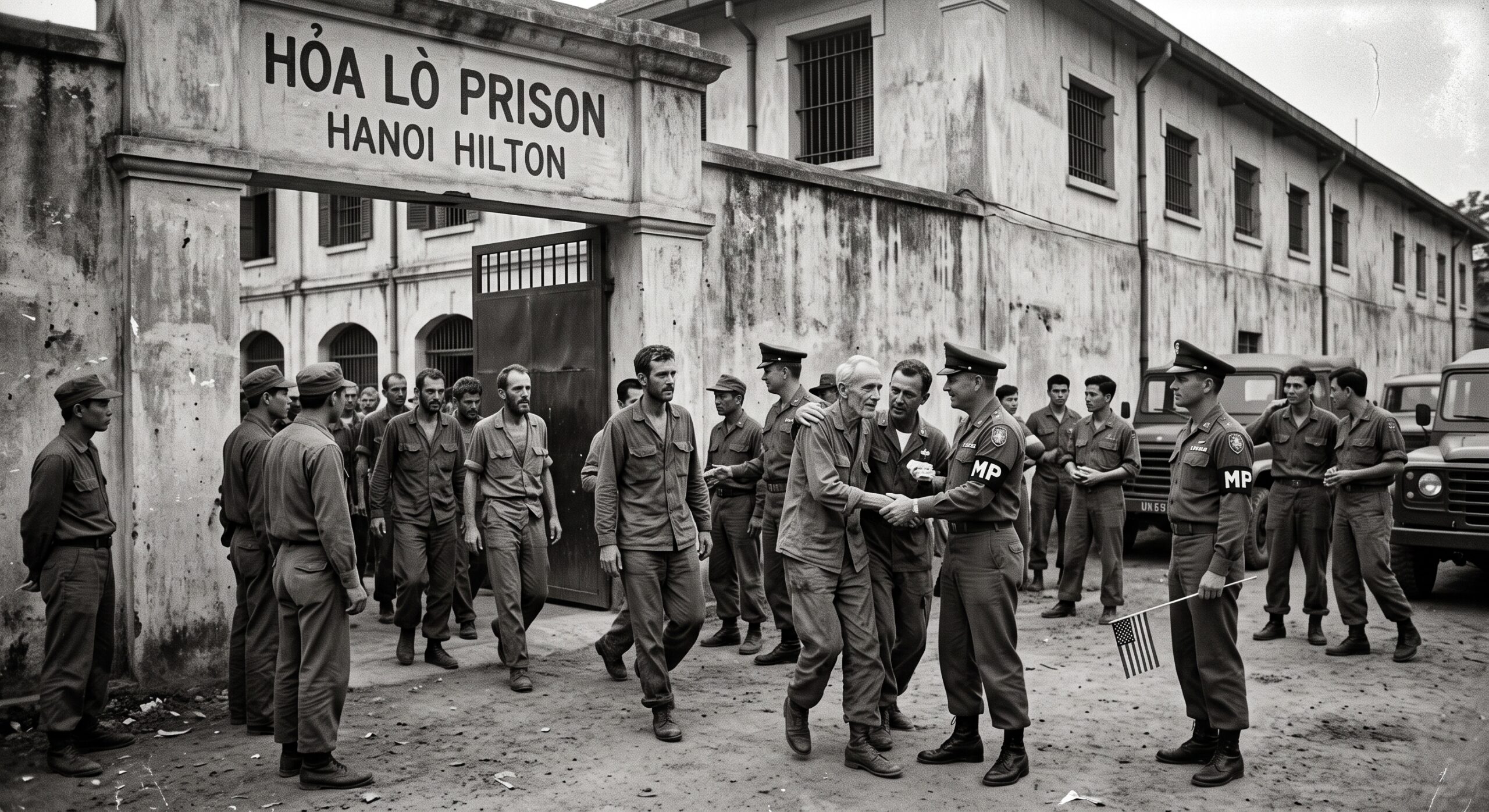
Trauma is not defined by the event itself, but by how a person interprets and chooses to respond to the traumatic event. What is traumatic for one person may not be for another, and trauma can result from a single incident or from prolonged exposure to distressing circumstances over time. Regardless of its source, unresolved trauma has a way of shaping how a person sees themselves, others, and the world around them.
How Trauma Often Shows Up
Trauma can affect people in a wide range of ways, including:
- Intrusive memories, flashbacks, or nightmares related to the traumatic event
- Hypervigilance — a persistent sense of being on guard or unsafe
- Avoidance of people, places, or situations that are reminders of the trauma
- Emotional numbness or difficulty feeling connected to others
- Difficulty trusting, even in relationships that are safe
- Physical symptoms — tension, a heightened startle response, or difficulty sleeping
Trauma can stem from a single event — an accident, an assault, a loss — or from prolonged experiences such as childhood neglect, abuse, or ongoing instability. Some people come to therapy already knowing what they're dealing with; others arrive with identified symptoms, yet are less aware of the circumstances which have contributed to their current experience.
Victim vs Survivor
Each of us face disruptive and traumatic events and experiences. However, we can either choose to define ourselves as a victim or a survivor of the traumatic event. My work with clients help them confront these experiences, and respond to them on their own terms.
How I Approach Treatment
Healing from trauma is possible, even when it feels like the impact will never lessen. With the right support, the nervous system can learn safety again, and the past can become something that a person chooses to define themselves on their own terms, rather than something they are defined by.
If trauma is affecting your life, I would be glad to help you find a path toward healing.